
Data Centres in the SADC Region
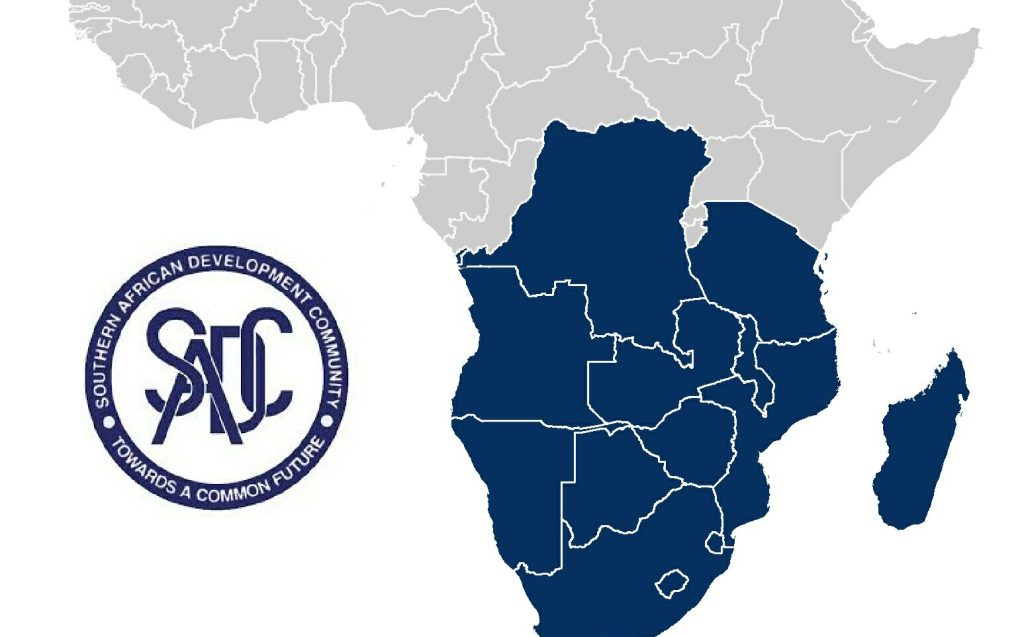
In the past few years the Southern African Development Community (SADC) region has seen growing momentum in digital infrastructure development, especially in the domain of data centres. Although challenges remain, the period up to 2022 is showing clearer signs that digital transformation is being enabled by physical infrastructure investment, better connectivity and increasing demand from cloud, fintech and enterprise services.

The status of data-centre infrastructure in the region
By 2021 the African data-centre market was still at a nascent stage. According to the Africa Data Centres Association (ADCA) “State of the African Data Centre Market 2021” report there were 62 data-centre operators with 139 facilities in 26 African countries. (DATACENTRE.ME)
In Southern Africa and the SADC region specifically, the picture is dominated by one country: for instance, South Africa accounted for more than two-thirds of the continent’s data-centre capacity. (ITWeb)
Another source suggests the SSA region (which includes SADC) had only 79 colocation data centres in 14 countries, compared with global totals far higher. (ITWeb)
Drivers of change up to 2022
Several key factors are shaping this transformation:
- Growing digital services demand: As enterprises, government and consumers adopt cloud, remote work tools, fintech and mobile-first applications, there is pressure for local data-centres to reduce latency, meet local regulatory/data-sovereignty requirements and improve performance. For Africa the market intelligence suggests investment in 2021 was already strong (for example $2.6 billion in 2021 for Africa and Middle East markets) and forecasts anticipate continued growth. (TechCabal)
- Connectivity improvements: The extension of subsea cables, terrestrial fibre and local exchange points improves the business case for local facilities. According to a regional spotlight by BMI Research/Fitch Solutions in 2021, terrestrial fibre and submarine cables were “critical” in attracting data-centre investment. (Fitch Solutions)
- Market maturity and geographic concentration: Not all SADC markets are equal. The more mature digital economies (for example South Africa) currently carry a disproportionate share of capacity and investment. This unevenness suggests the region still has catch-up potential. (Techerati)
Opportunities and business / policy implications
For stakeholders in the SADC region by 2022 the following opportunities are apparent:
- For operators and investors: Given the relative scarcity of local capacity outside the major hubs, there is early-mover advantage in deploying in under-served markets within SADC. The global players are already making moves and local/regional players have space to expand.
- For governments and regulators: There is the chance to create enabling frameworks (data-localisation, incentives for data-centres, power-grid reliability, connectivity, skills development) to accelerate the growth of the digital economy.
- For enterprises and users: The increasing availability of local infrastructure means improved performance, reduced latency and better compliance with local regulations (data protection, sovereignty) for digital services.
Persistent challenges
Despite the momentum, several constraints remain relevant up to 2022:
- Energy reliability and cost: Many SADC states face constraints in grid reliability, high cost of power, and the need for backup or renewables to ensure uptime of data-centres. For example the BMI/Fitch report flagged power supply as a major risk factor. (Fitch Solutions)
- Skills shortage and operational maturity: Operating high-availability data-centres at scale requires specialised infrastructure, cooling, power-management and network expertise, which remains limited in many markets.
- Uneven distribution and market size: While South Africa holds the majority share, other SADC countries are still under-served, which means the cost of delivering services in those markets may remain higher or riskier until scale is achieved.
- Regulatory and investment risks: Investment in digital infrastructure must contend with policy, regulatory, land and funding challenges. The ADCA report identifies access to finance and regulatory clarity as road-blocks. (Africa DCA)
Conclusion
In the SADC region up to 2022 we are seeing the early stages of a data-centre infrastructure wave that will underpin digital transformation. The region is shifting from absent or minimal local capacity to a more purposeful build-out, driven by demand, connectivity improvements and investment interest. The road ahead still requires addressing power, skills and regulatory constraints, but the foundations are being laid. For businesses, government and investors the next few years offer real opportunity if the right infrastructure, policy and partnerships are in place.