
How Edge Computing Is Revolutionizing Agriculture in Africa
Introduction
Agriculture is one of Africa’s most important industries, but farmers across the continent continue to face challenges such as climate change, water shortages, crop diseases, and limited internet access in rural areas.
Edge computing is emerging as a technology that can help improve farming efficiency by processing data closer to where it is generated.
How Edge Computing Helps Farmers
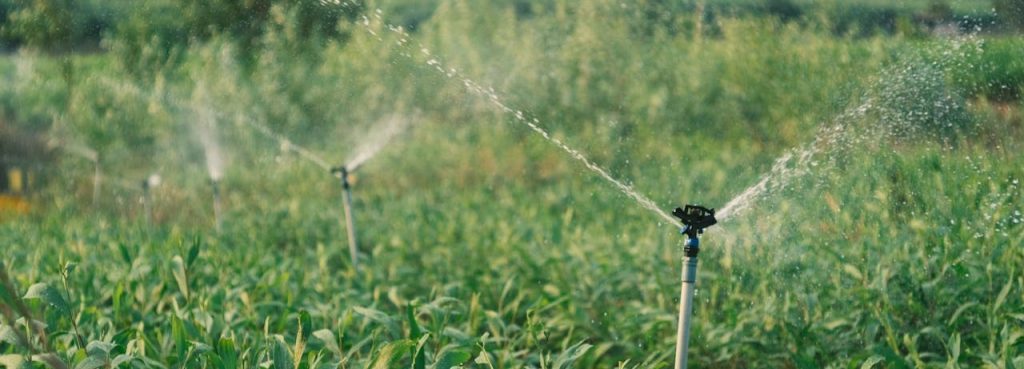
Edge computing allows smart farming devices such as sensors, drones, and irrigation systems to process data locally instead of relying entirely on cloud servers.
This enables farmers to:
- Monitor soil moisture and temperature in real time
- Automate irrigation systems
- Detect crop diseases faster
- Track livestock health and movement
- Reduce internet data usage
Because many rural areas have unstable connectivity, edge computing helps systems continue operating even when internet access is limited.
Smart Farming Opportunities in Africa
Edge computing can support:
- Precision farming
- Water conservation
- Drone-based crop monitoring
- Weather analysis
- Smart greenhouse systems
African AgriTech startups are also beginning to explore smart farming solutions designed specifically for local agricultural conditions.
Challenges
Despite its potential, adoption still faces challenges such as:
- High equipment costs
- Limited technical skills
- Power infrastructure issues
As technology becomes more affordable, edge computing is expected to play a larger role in improving food security and agricultural productivity across Africa.
Conclusion
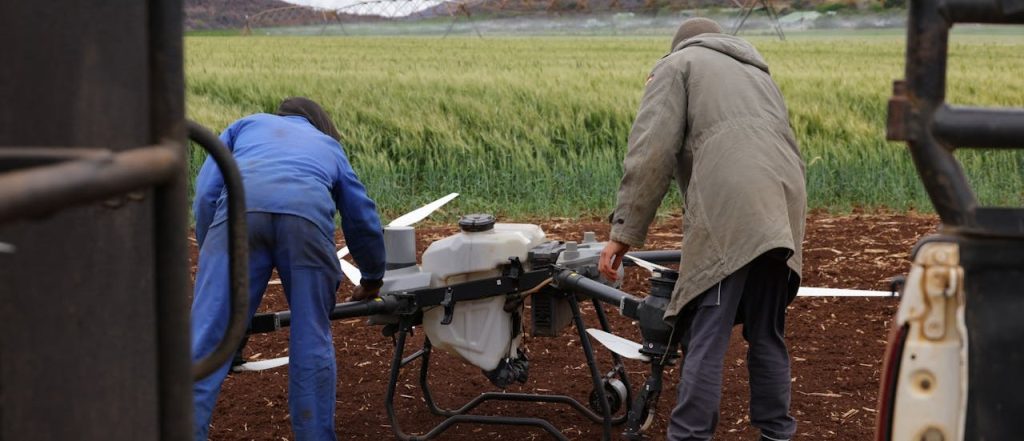
Edge computing has the potential to modernize African agriculture by helping farmers make faster, smarter decisions.
With better real-time monitoring and reduced reliance on internet connectivity, this technology could become an important part of Africa’s future farming ecosystem.